
Why High Quality Listing Photos Sell Homes Faster and Attract More Buyers

Most buyers meet a home online before they ever step inside it. If the photos are dark, blurry, or poorly framed, the home loses attention fast. Strong listing photos do the opposite. They create interest, build trust, and help buyers picture life in the space.
Photos are not just decoration for a listing. They shape the first impression.

Great photos make buyers stop scrolling
A buyer searching online may scan dozens of homes in one sitting. They make quick decisions. Price, location, and size matter, but the photos often decide which listings get opened first.
High-quality images help a listing stand out because they show the home clearly. Buyers can see the layout, finishes, light, and condition. They do not have to guess what a room looks like.
Poor photos create doubt. A dark kitchen may look smaller than it is. A crooked bedroom shot may feel careless. A cluttered living room may distract from good floors, tall ceilings, or natural light.
Good photos do three things well:
They show space
Buyers understand how rooms connect and how furniture fits.
They show condition
Clean, sharp images make surfaces, fixtures, and finishes easier to judge.
They create an emotional response
A bright breakfast nook or calm primary bedroom helps buyers imagine daily life there.
That emotional response matters. A listing is not only competing on facts. It is competing for attention.
Photos influence the perceived value of a home
Presentation affects perception. The same room can feel fresh and inviting in one photo, then dull and cramped in another.
High-quality listing photos can make a property feel better cared for. They suggest that the seller took the process seriously. They also help the home look closer to what buyers expect when they schedule a showing.
That does not mean photos should hide flaws. Misleading images can backfire during showings. Buyers will notice if a wide lens makes a room look much larger than it is, or if heavy editing changes wall colors.
The goal is simple. Show the property at its best while keeping the photos honest.
Clear, accurate photos attract better-matched buyers. That can save time. People who like what they see online are more likely to arrive with real interest.

Lighting is the first rule of good listing photos
Light can make or break a listing photo. Natural light usually works best. It makes rooms feel open, clean, and welcoming.
Shoot during the day when the home gets soft, even light. Open blinds and curtains. Turn on interior lights to reduce dark corners. Avoid harsh sunlight that creates strong shadows or blown-out windows.
For exterior shots, timing matters too. A front photo taken in flat light can look lifeless. Try shooting when the sun lights the front of the home. For many homes, early morning or late afternoon works well.
Use these lighting basics:
Clean windows before shooting.
Replace burned-out bulbs.
Use matching bulb temperatures when possible.
Avoid taking interior photos at night.
Watch for reflections in mirrors, appliances, and glass doors.
Small fixes make a big difference. A bright room looks larger. A balanced photo feels cleaner. Buyers notice, even if they cannot explain why.
Angles should make the home easy to understand
A good listing photo is not only pretty. It must explain the space.
Shoot from a corner or doorway when possible. This shows more of the room and helps buyers understand size. Keep the camera straight and level. Tilted walls make a photo feel rushed.
For most rooms, chest height works well. Too high can make a room look flat. Too low can distort furniture and counters. The goal is a natural view, close to how a person would see the room when walking in.
Include enough photos to tell the full story. Buyers should see the key areas without clicking through repeats of the same angle.
A strong listing set usually includes:
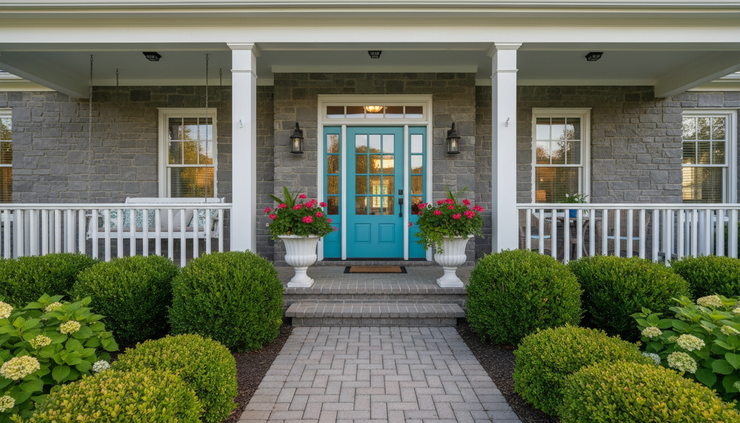
Front exterior
Entry or foyer, if it adds value
Living areas
Kitchen
Dining area
Primary bedroom
Bathrooms
Secondary bedrooms
Outdoor spaces
Garage, storage, or special features
Do not skip rooms because they are small. A missing room creates questions. A simple, well-lit photo is better than no photo.
Staging helps buyers focus on the home
Staging does not always mean renting furniture or redesigning the whole house. Often, it means removing distractions.
Before photos, clear counters, floors, and tables. Put away personal items, cords, laundry, pet bowls, trash cans, and excess decor. Buyers should notice the room, not the stuff in it.
Good staging highlights how a space can be used. A small bedroom may need only a bed, nightstand, and lamp. A dining area should show a clear place to eat. A patio should look ready for coffee, dinner, or quiet time outside.
Focus on these quick wins:
Make beds neatly.
Use simple bedding and towels.
Remove refrigerator magnets and paperwork.
Clear bathroom counters.
Hide cleaning supplies.
Add small touches like fresh flowers or a bowl of fruit.
Keep it neutral. The home should feel warm, not crowded. Less visual noise helps buyers stay focused.
Professional photography often pays for itself
Amateur photos can work when the photographer understands lighting, composition, and editing. A newer phone can take sharp images in good conditions. Still, real estate photography is a skill.
Professional photographers know how to handle tight rooms, mixed lighting, window glare, and exterior angles. They also know how to edit images so they look clean without looking fake.
The difference shows in the final listing. Professional photos tend to have straighter lines, better color, clearer room flow, and more consistent style. That consistency helps the listing feel complete.
Amateur shots often fall short in predictable ways:
Rooms look too dark.
Walls lean from camera tilt.
Photos are taken too close to furniture.
Mirrors show the photographer.
Colors look yellow, blue, or dull.
Important rooms are missing.
Professional photography is especially valuable for homes with strong design, views, outdoor areas, unique layouts, or higher price points. It also helps modest homes compete online. Clean, bright, accurate photos give any property a better chance to earn attention.

Better photos lead to better showings
A listing photo should answer questions before a buyer asks them. What does the kitchen look like? Is there enough light? How big is the living room? Is the backyard usable? Are the finishes updated?
When photos answer those questions well, showings become more productive. Buyers arrive with clearer expectations. Sellers may get fewer casual visitors and more serious interest.
That is the real value of strong listing photos. They do not replace pricing, location, or property condition. They support all three. They help the right buyers recognize the home faster.
To improve a listing before it goes live, use a simple checklist:
Clean every visible surface.
Remove clutter from each room.
Open window coverings.
Turn on all lights.
Shoot straight and level.
Capture each major room once or twice.
Use natural angles that show layout.
Edit for brightness and color, not deception.
Hire a professional when quality matters.
For help preparing a home to stand out online, contact Karina Elias.
High-quality photos make a home easier to understand and easier to remember. They invite buyers in before the showing starts. That can mean more clicks, more interest, and a faster path to the right offer.


Comments